

Dewatered Sludge Storage Silo
Temporary storage bin for dewatered sludge before incineration, landfill, composting, or resource recovery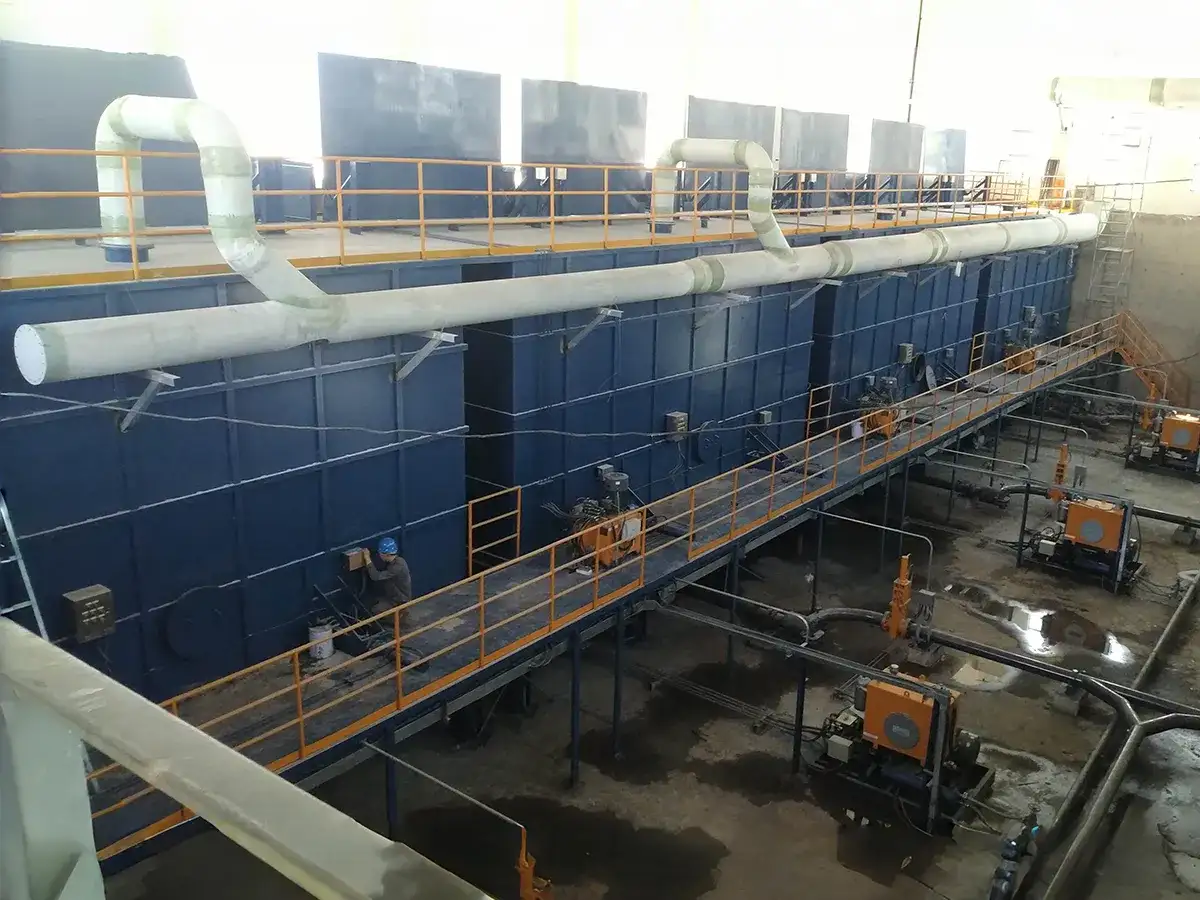
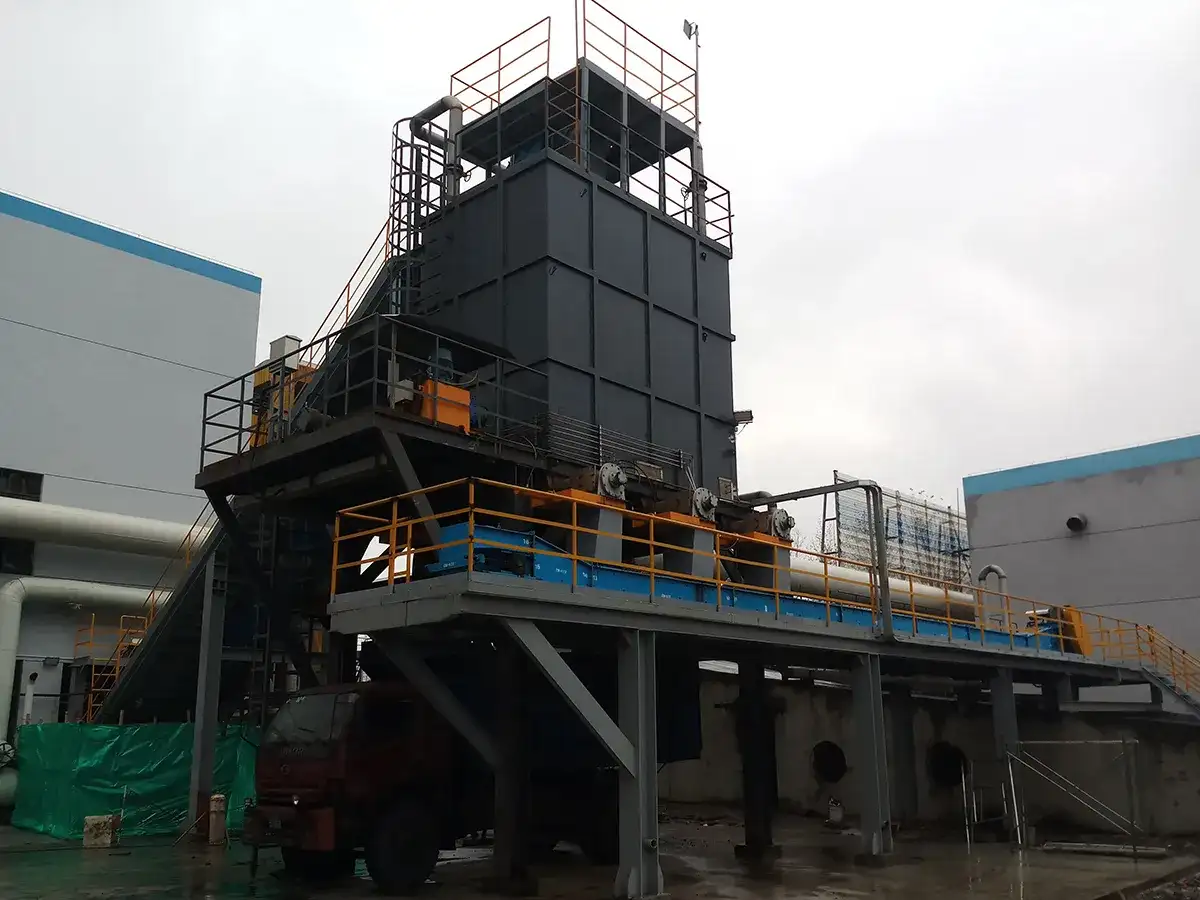
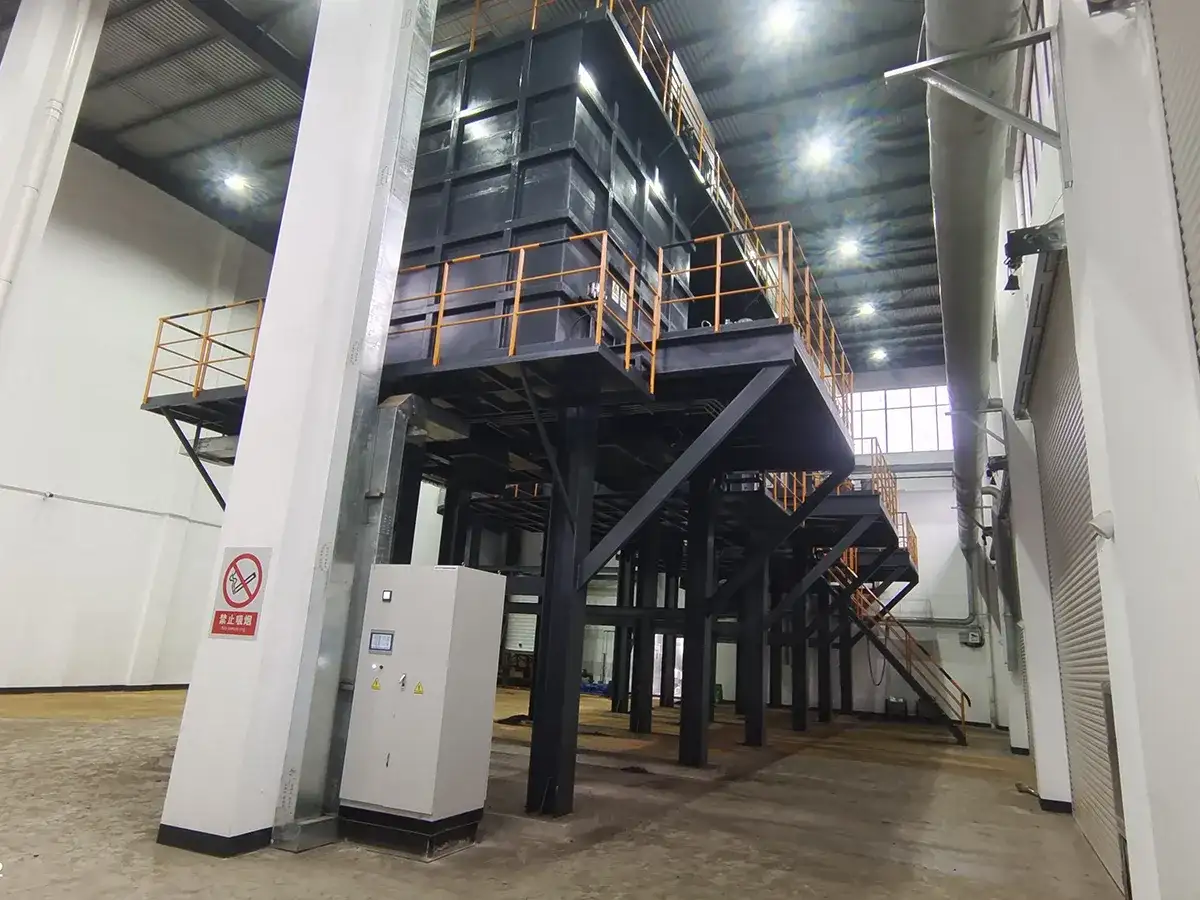
Dewatered sludge storage silos are used in wastewater treatment plants and industrial facilities to hold dewatered sludge temporarily before the next step, such as incineration, landfill, composting, or resource recovery. This helps keep sludge handling more organized on site and reduces stop-and-go feeding into the next process step. Depending on the site layout, dewatered sludge storage silos can be designed as a vertical cylindrical or vertical square unit, that typically includes the silo body, inlet and outlet, bottom section, support frame, and the auxiliary components needed for a stable operation. Since sludge properties and site conditions vary, the construction material is selected based on sludge corrosiveness, abrasiveness, and the site environment.
| Shape | Rectangular | ||||||||
| Capacity (m³) | 20 | 30 | 50 | 60 | 80 | 100 | 150 | 200 | 250 |
| Overall dimensions | Customized as required | ||||||||
Dewatered sludge is fed into the silo from equipment such as a plate and frame filter press or a centrifuge. Depending on the plant layout, transfer can be done by belt conveyor, screw conveyor, or pneumatic conveying to a top inlet. Since dry sludge can release dust during loading, the inlet is usually closed and paired with a bag filter to keep the area tidy. Some silos also use a distributor below the inlet to spread material more evenly inside the silo and reduce uneven piling or segregation.
The discharge system can be selected based on sludge behavior and what the next treatment step requires.
- Level monitoring
- Ventilation and dehumidification
- Explosion and fire protection
- Corrosion and wear resistance