

Sludge Deep Dewatering System
A two-stage system that uses electrochemical cell disruption and high-pressure stack pressing to dewater ≥80% moisture sludge to about 40–50%, with no dilution water and no lime addition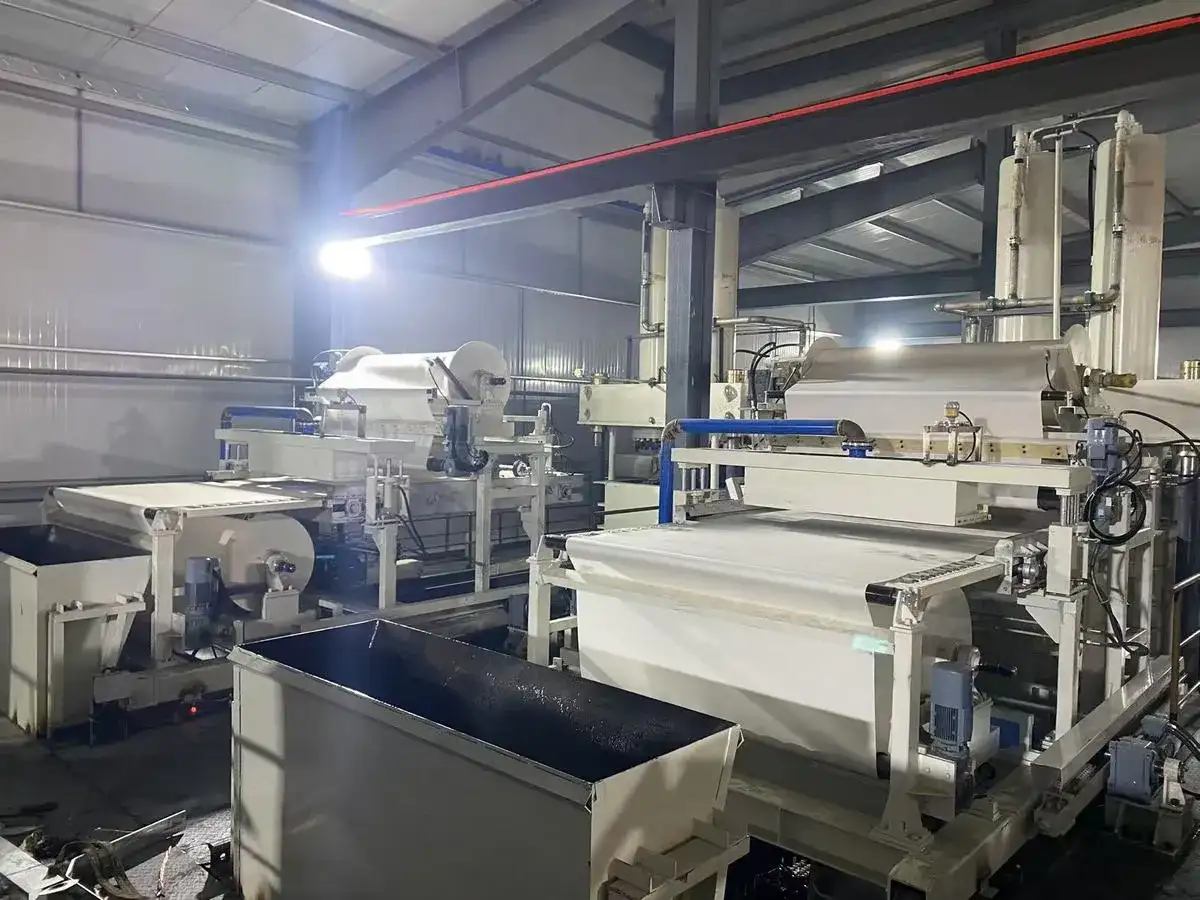
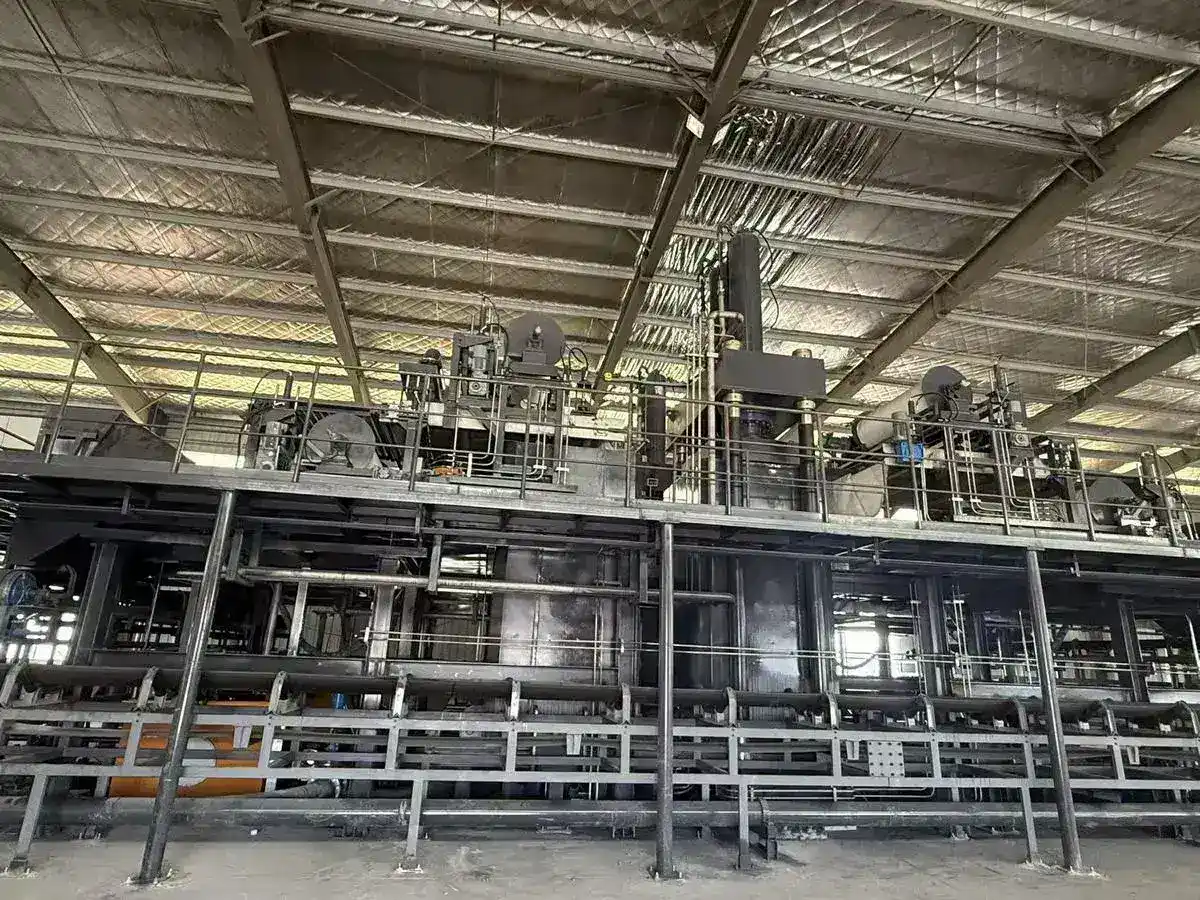
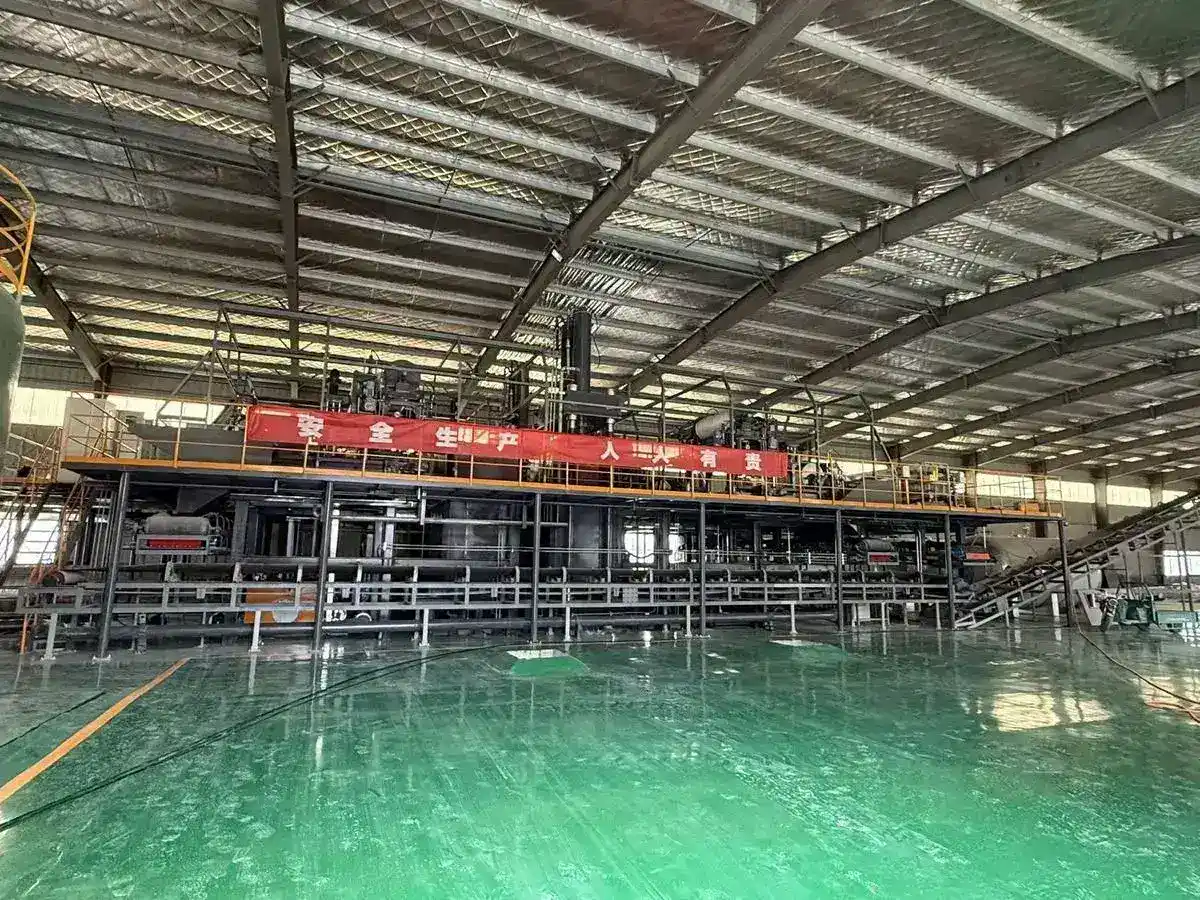
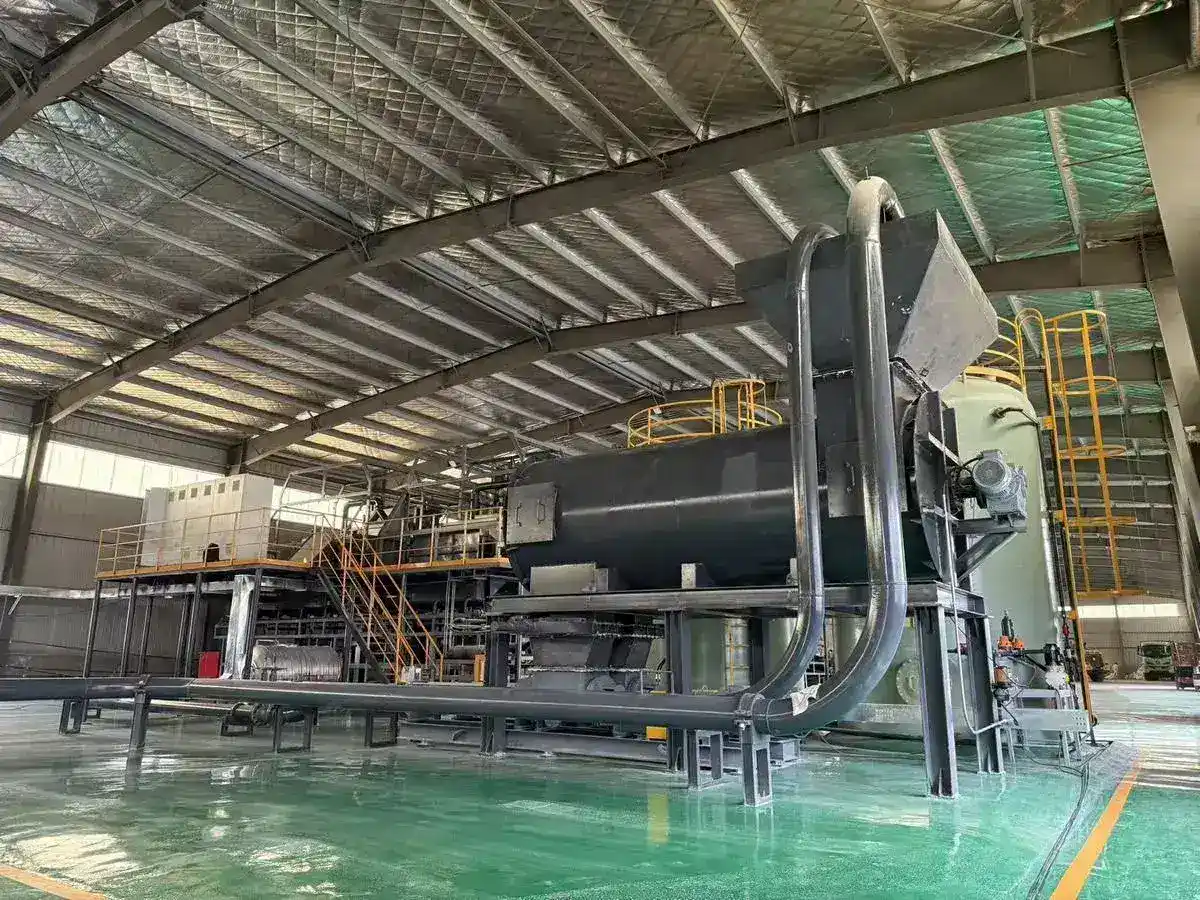
Our sludge dewatering systems are developed in-house and use high-pressure stacked pressing to handle very wet sludge (≥80% moisture) directly. They do not require dilution with added water or heavy flocculant dosing, and sludge thickening is not needed. After a physical “cell-breaking” step, the sludge is sent straight to press dewatering. Only a small amount of chemicals is typically used during operation, and no lime is added. After dewatering, cake moisture can reach about 40 - 50%, and sludge weight can be reduced by more than 60%.
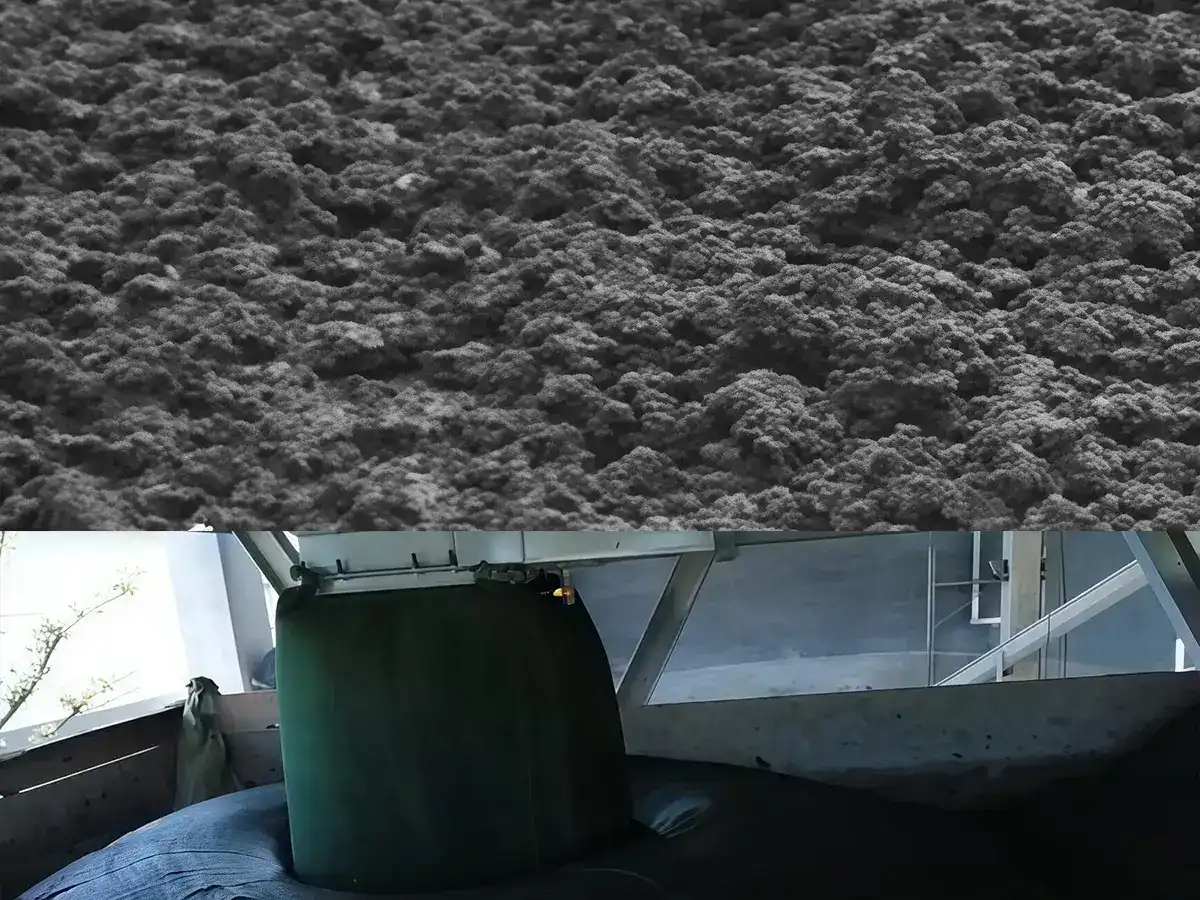
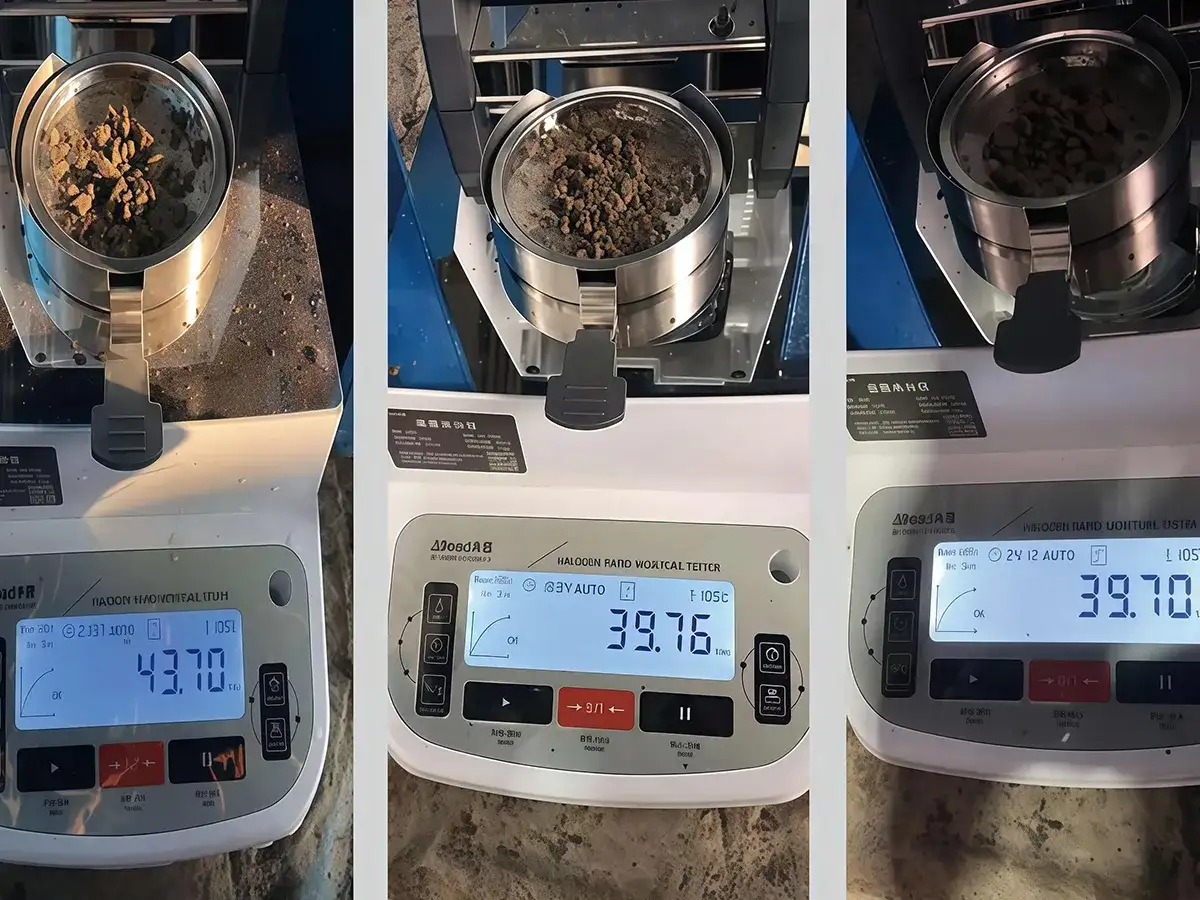
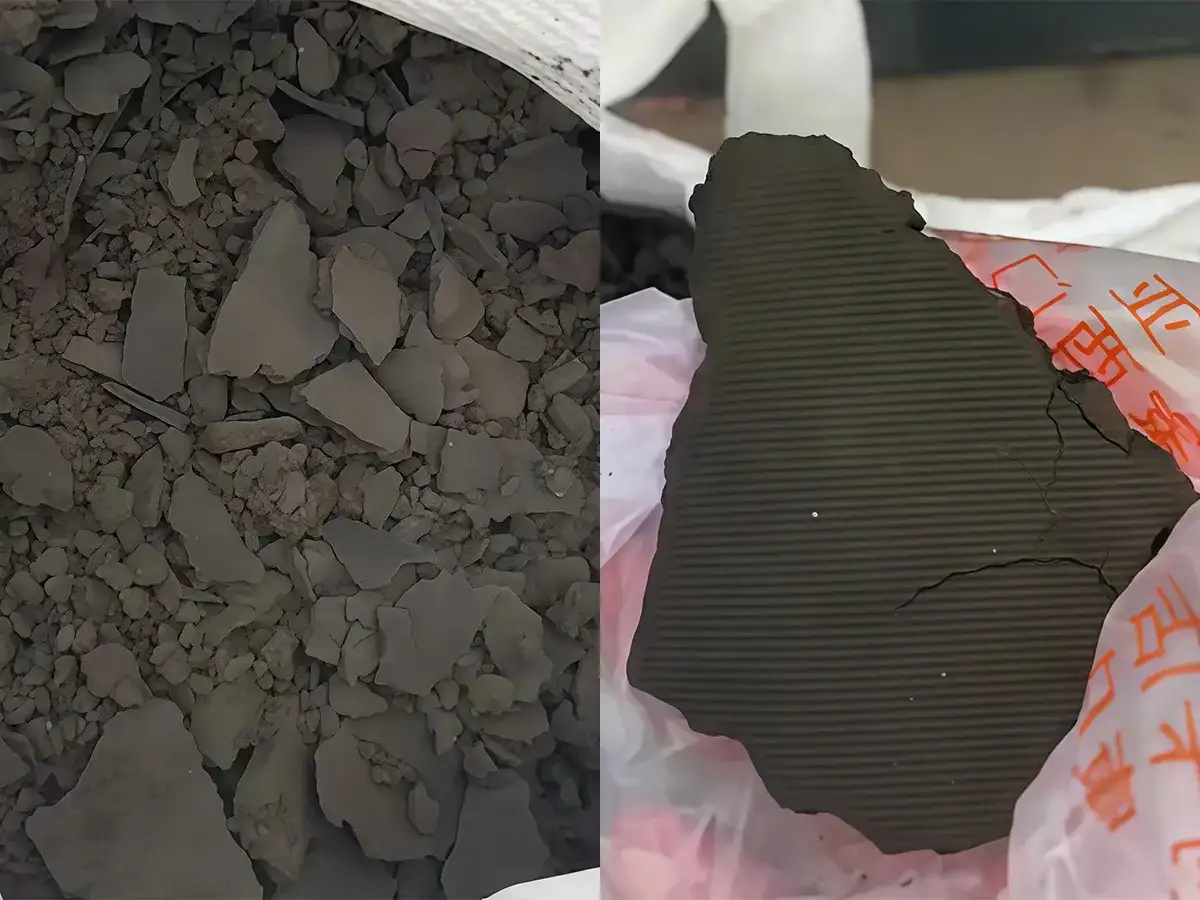

- Suitable for municipal sludge with high moisture levels (typically around 80–85%)
- Uses a physical “cell-breaking” process to help release bound water before pressing
- Achieves deep dewatering without thermal drying (no heat-based drying process)
- Final cake moisture is typically in the 40–55% range, depending on sludge conditions
Mechanical sludge dewatering sometimes reaches a point where it simply does not improve much anymore. The sludge still comes out too wet, disposal is still expensive, and many sites end up adding more chemicals or lime just to push the results a bit further. This deep dewatering method combines electrochemical cell disruption with high-pressure stack pressing to release trapped water first and then press out more water through physical compression.
Electrochemical pre-treatment helps break up sludge flocs and cell structures. It releases water trapped inside the sludge, so the water is easier to remove during pressing.
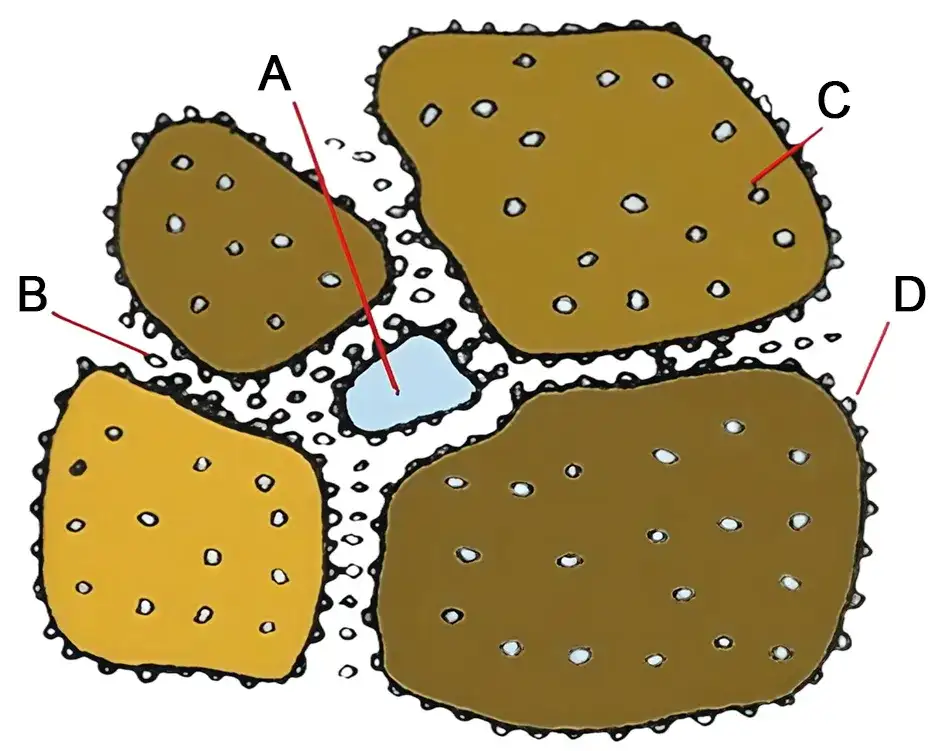
- A.Interstitial Water (About 70%): Water held in the spaces between sludge particles. In many cases, it can separate from the solids with the help of gravity.
- B.Surface Water (About 20%): Water attached to the surface of sludge particles. It can be removed by physical separation, but it usually needs stronger force, such as high-speed centrifugation or vacuum/pressure filtration.
- C.Internal Water: It's the water trapped inside sludge particles or inside microbial cells. When combined with adsorbed water, it accounts for about 10% of total moisture, and it is harder to remove, so it may require cell disruption or heating/freezing methods.
- D.Free Water: Water that sits on the sludge surface and can be removed by heating.
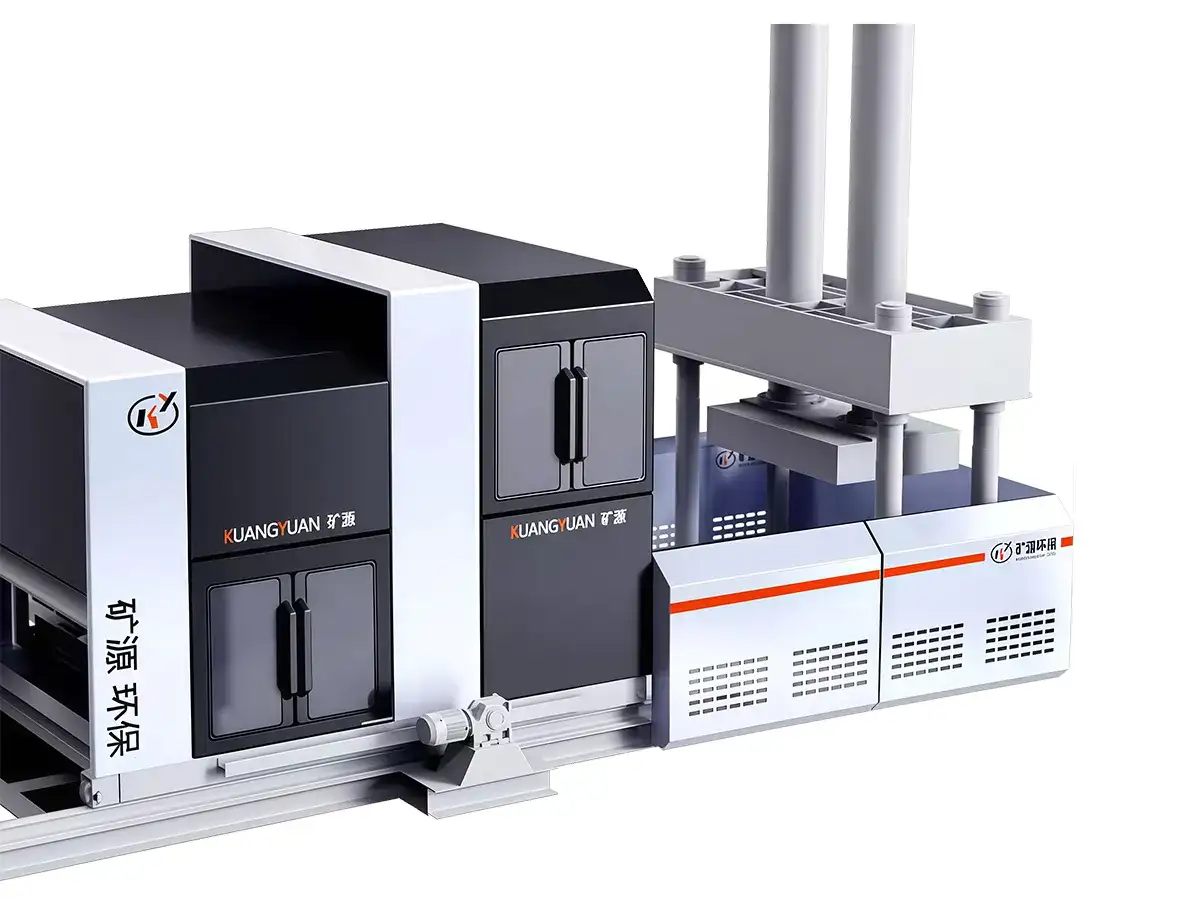
The main dewatering work is done by a high-pressure stacked press developed in-house. It uses several vertical pressing stages to squeeze out water quickly. No extra energy input is needed beyond running the press. It can remove more water than standard mechanical dewatering and reach about 40–50% cake moisture in one pass.
The process flow can be customized based on user requirements. The diagram below is provided as a general reference.
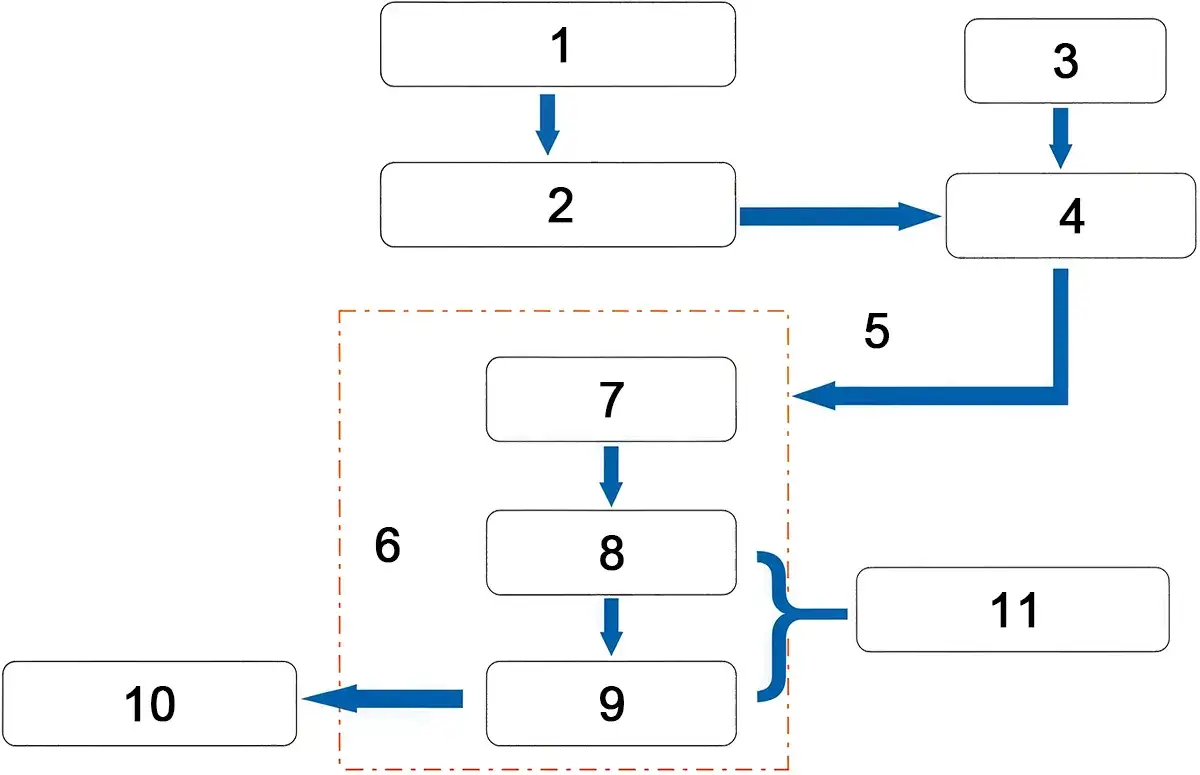
- Thickened sludge (about 98% moisture)
- Multi-disc screw dewatering unit
- Conditioning agent
- Conditioning mixing tank
- Feed screw pump
- Pressing system
- Sludge distribution unit
- Press filtration unit
- Cake discharge unit
- Dewatered sludge cake
- Filtrate/effluent returned to the wastewater treatment plant
| Model | Configuration | Capacity (m³/day) |
Press cage size (m) (L×W×H) |
Overall dimensions (m) (L×W×H) |
Cake moisture after treatment (%) |
| |
single unit, single cage | 20m³/d | 1.2*1.2*1.5 | 8*4.5*5 | 40-55% |
| |
single unit, single cage | 30m³/d | 1.2*1*3.25 | 8*4.5*8.7 | 40-55% |
| |
single unit, single cage | 40-50m³/d | 1.3*1.6*3.45 | 12.2*6*8.7 | 40-45% |
| |
single unit, single cage | 50-60m³/d | 1.5*1.8*3.45 | 12.2*6*8.7 | 40-50% |
| |
single unit, dual cage | 70-80m³/d | 1.5*1.8*3.45 | 21*6*8.7 | 50-55% |
| |
single unit, single cage | 80m³/d | 1.5*2.7*3.45 | 14.5*6*8.7 | 50-55% |
| |
single unit, dual cage | 120-150m³/d | 1.5*2.7*3.45 | 25*6*8.7 | 50-55% |
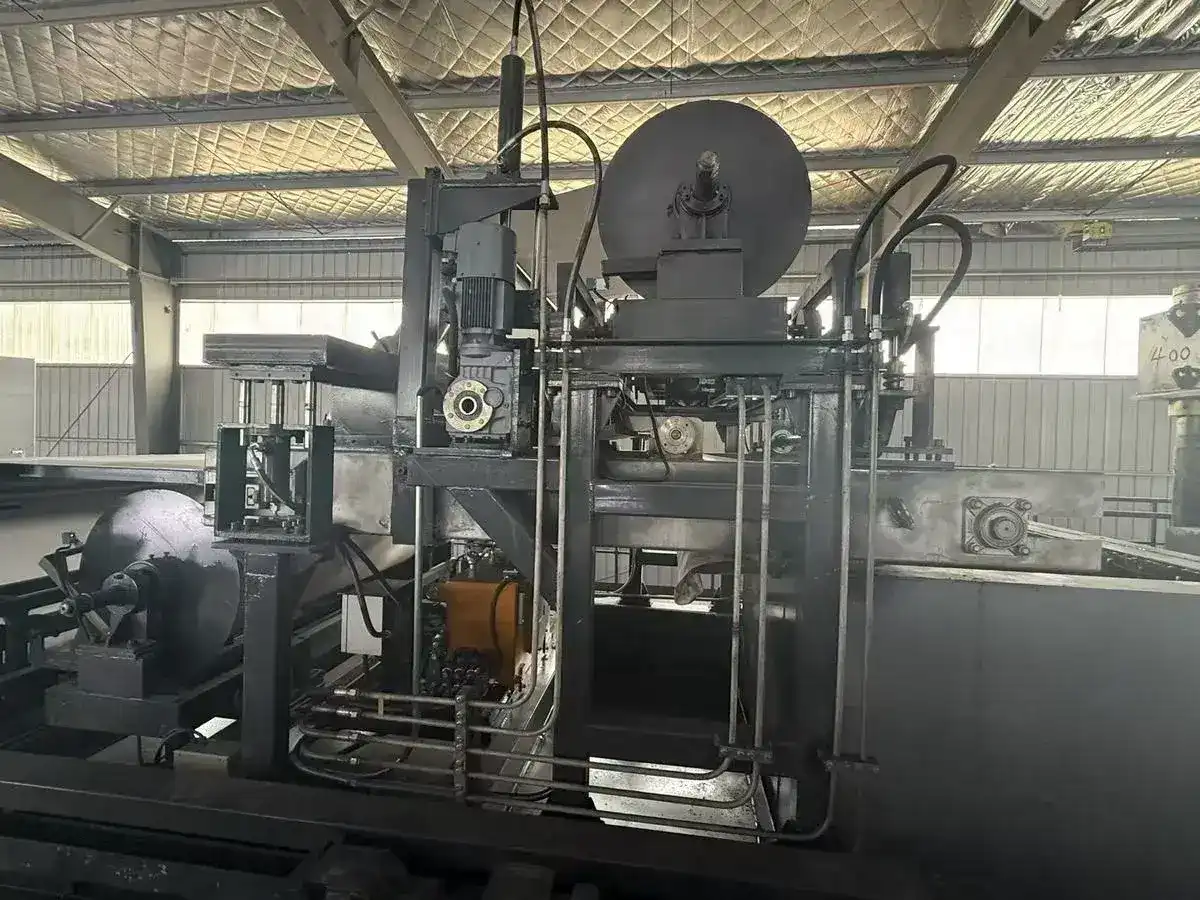
The cloth feeding system works automatically and feeds filter cloth into the press chamber in repeated cycles. During loading, the cloth and sludge are laid in an alternating pattern, one layer of cloth followed by one layer of sludge, until the chamber is ready for the pressing stage.
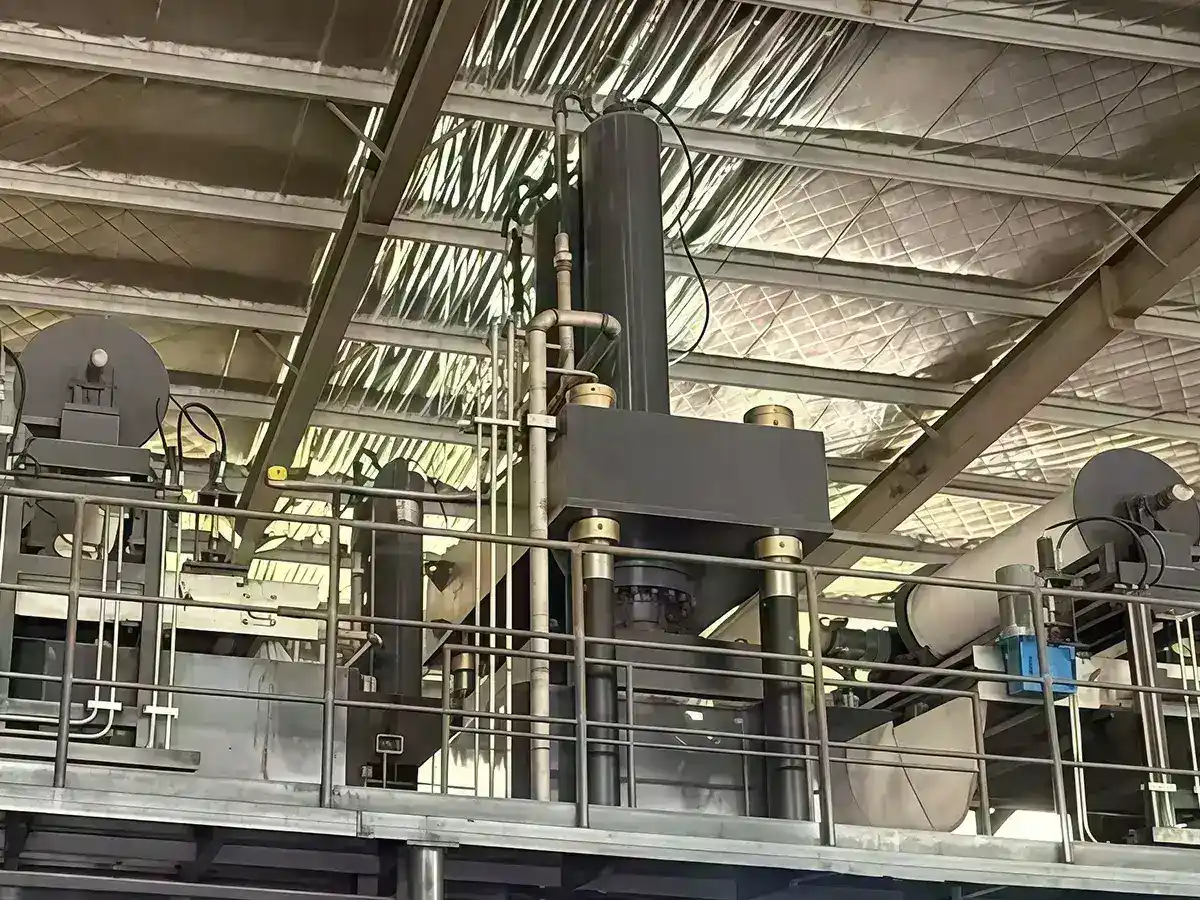
A hydraulic piston applies steady pressure from the top to press the sludge inside the press chamber and remove water. Hydraulic push rods and an automated mechanical arm work as a set to move the press chambers through multiple stations, so the cycle runs automatically without manual intervention.
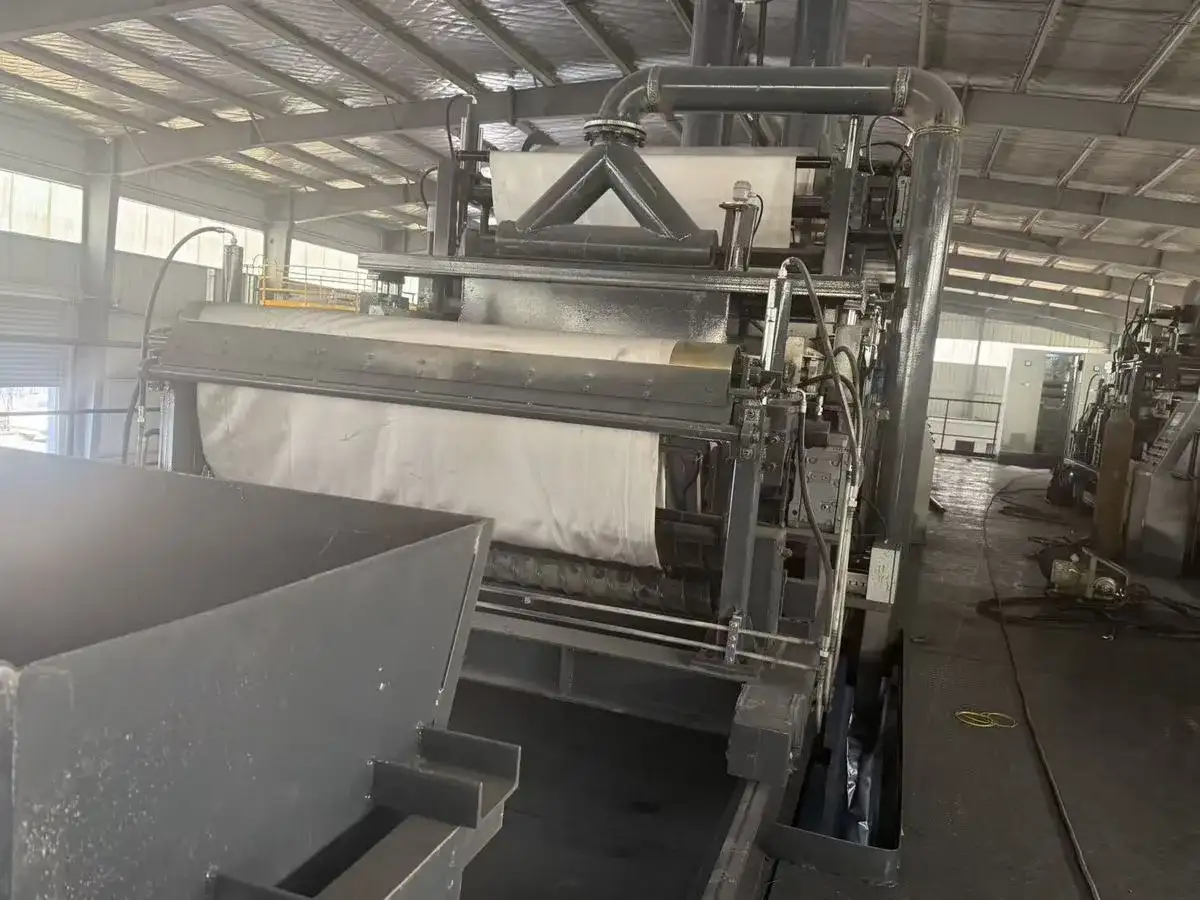
The system utilizes a specialized lifting device to transfer the filter cloth from the filter drum to the discharge zone. Once positioned, a speed reducer drives the drum, while a scraper and water washing system operate synchronously to remove residual sludge from the filter cloth surface, ensuring rapid and efficient cleaning.
-
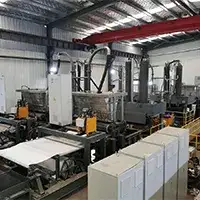 Non-Thermal Deep Sludge Dewatering System Project in Qingdao
Treatment capacity: Phase I 230 tons/day; Phase II 200 tons/day
-
-
-
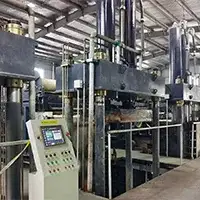
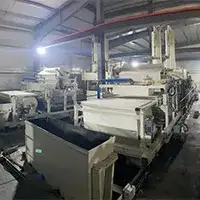 Sludge Dewatering Project in Yinchuan (Jianong Environmental Protection)
Treatment capacity: 400 tons/day
-
 Stack Press Dewatering
 -
 Stack Press Dewatering On Site
 -
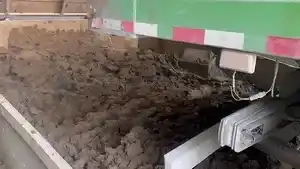 Wet Sludge Intake
 -
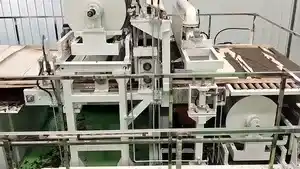 Dewatered Sludge Discharge
 -
 Fruit Pulp Dewatering