

Sludge Dewatering System Improvement in Bengbu
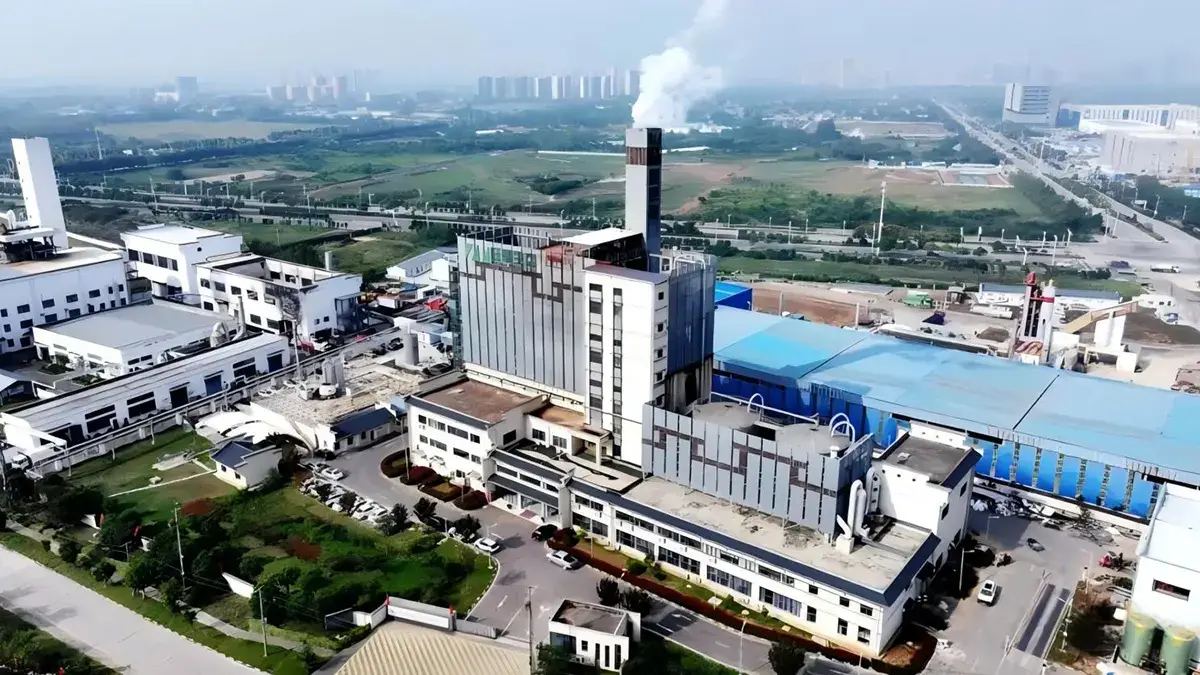
The first phase of the Bengbu sludge treatment project used spray drying followed by rotary kiln incineration to process municipal sludge with a moisture content of 80%–85%.
Once the drying-and-incineration process was put into operation, the project faced three main problems:
-
High Operating Costs
High-moisture sludge created an unstable heat balance during incineration, so the system required a large amount of natural gas for auxiliary combustion. Fuel costs took up a large share of the operating expenses, causing financial losses for the project.
-
Heavy Flue Gas Load and Odor Problems
The high-water content generated a large amount of vapor, which placed excessive pressure on the flue gas treatment system. Volatile organic compounds also caused odor issues that affected the surrounding area.
-
Insufficient Treatment Capacity
The actual treatment capacity was well below the designed level, so the dewatering process could not keep up with the rising volume of municipal sludge or the existing sludge awaiting disposal.
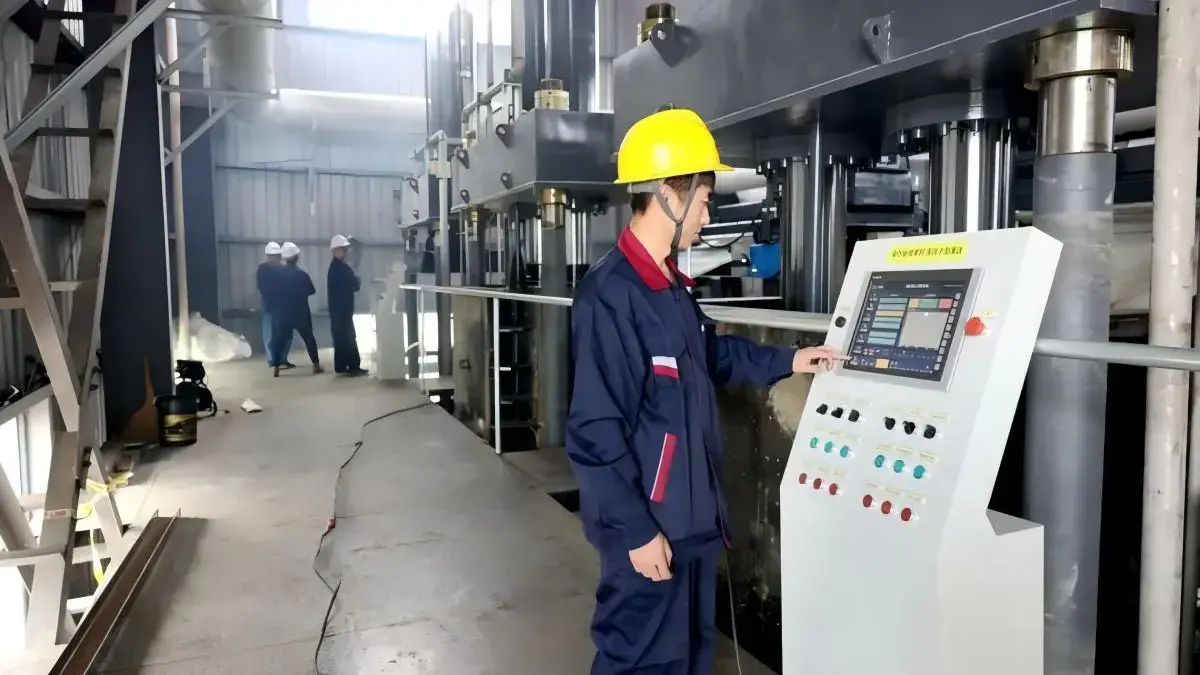
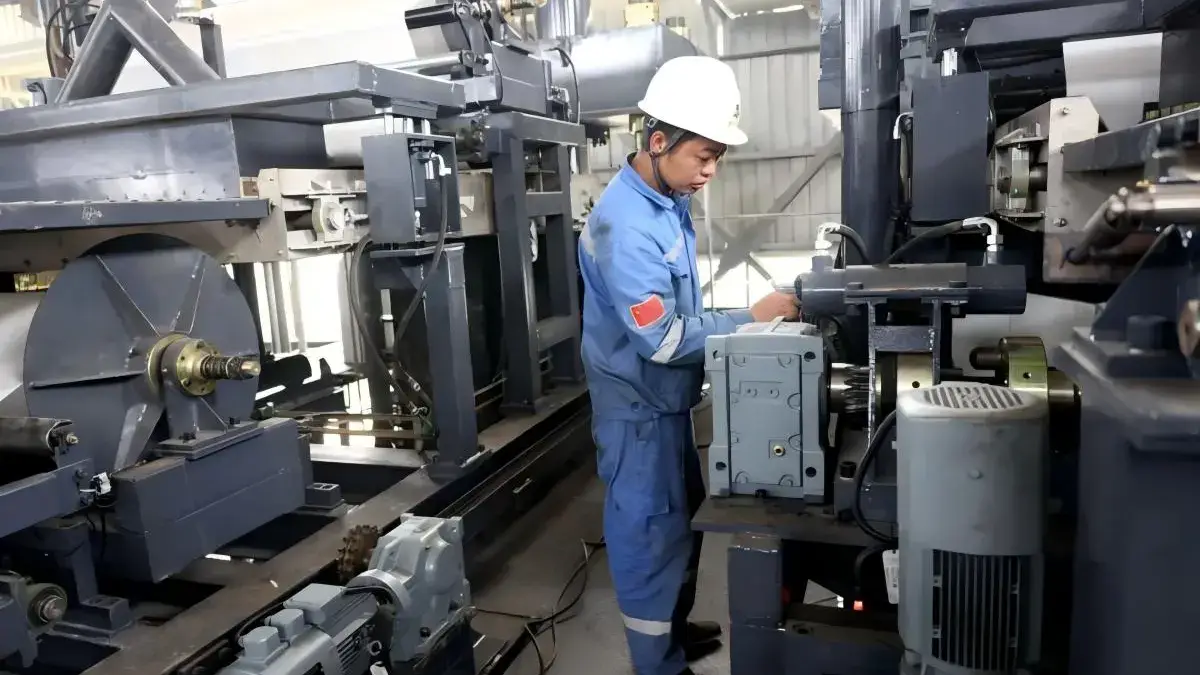
We added high-pressure deep dewatering before the existing drying and incineration stages, lowering sludge moisture before it enters the rotary kiln and reducing the evaporation load during incineration.
- Treatment Capacity: 400 tons/day
- Operation Mode: 24-hour operation, at least 330 days per year
- Dewatering Result: Feed moisture content of 80±5% reduced to 48±1% in one deep dewatering step
- Chemical Conditioning: Polyferric solution, with no lime added
- Conditioning Agent Ratio: ≤25%, based on dry sludge content
- Sludge Intake
- Enclosed Temporary Storage
- Chemical Conditioning
- High-Pressure Deep Dewatering
- Sludge Cake Transport for Incineration or Resource Recovery
The dewatering process includes full negative-pressure deodorization and compliant filtrate treatment, which creates a cleaner and more controlled route for sludge disposal.
- Lower Operating Costs: Lower sludge moisture reduces natural gas consumption during incineration, helping the project cut fuel expenses and improve profitability.
- Lower Energy Consumption: Less water needs to be evaporated during downstream treatment. Waste heat steam can also be recovered, reducing unnecessary energy loss.
- Higher Treatment Capacity: Treatment capacity increased from 280 tons/day to 400 tons/day, enough to meet the planned sludge disposal demand through 2030.
- Stable Environmental Compliance: Lower moisture content helps reduce the flue gas treatment load and odor issues. Waste gas and wastewater can be treated more steadily to meet discharge standards.
- Suitable for Stored Sludge Disposal: High-pressure dewatering can also treat sludge stockpiled in landfill sites, which helps cities reduce existing sludge reserves instead of only handling newly generated sludge.